
large round silver mirror
Types of Water Valves An Overview Water valves are essential components in plumbing and irrigation systems, serving the critical role of controlling the flow of water. These devices come in various types, each designed for specific applications and functionalities. Understanding the different types of water valves is crucial for homeowners, plumbers, and engineers alike, as each valve type has its advantages and ideal use cases. 1. Gate Valves Gate valves are widely used in water supply systems due to their ability to provide a straight-line flow of water with minimal resistance. They operate by lifting a gate or wedge out of the path of the water flow. While gate valves are excellent for fully opening or closing the flow, they are not suitable for throttling or regulating flow, as doing so can lead to wear and tear. They are often used in applications where a tight seal is required, such as in water mains or drainage systems. 2. Globe Valves Globe valves are designed for throttling flow, making them ideal for applications where precise flow control is necessary. The valve features a spherical body with an internal baffle that directs flow, allowing for a greater surface area to control water pressure and flow rate. Globe valves are commonly used in water treatment plants and industrial applications due to their excellent sealing capability and ease of operation. 3. Ball Valves Ball valves are known for their sturdy construction and reliable performance. They consist of a hollow, perforated sphere (the ball) that rotates within the valve body to control flow. When the ball is aligned with the flow, water passes through; when it is perpendicular, the flow is blocked. Ball valves are favored in applications requiring quick shut-off and are commonly used in residential plumbing, irrigation systems, and gas lines. type of water valves 4. Check Valves Check valves are crucial for preventing backflow in plumbing and irrigation systems. They allow water to flow in one direction and automatically close if the flow reverses, protecting the system from contamination and damage. Check valves come in various designs, including swing check valves and ball check valves. They are widely used in sump pumps, water pipelines, and sewage systems to ensure no backflow occurs. 5. Pressure Relief Valves Pressure relief valves are vital for protecting systems from excessive pressure buildup, which can lead to catastrophic failure. These valves automatically open when the pressure exceeds a preset limit, allowing excess water to escape and maintaining safe operating conditions. They are commonly used in hot water systems, steam boilers, and other pressurized applications. Regular maintenance of pressure relief valves is essential to ensure they function properly when needed. 6. Solenoid Valves Solenoid valves use an electromechanical solenoid to control the flow of water. When the solenoid is energized, it opens or closes the valve, allowing for remote control of water flow. These valves are frequently found in automatic irrigation systems, industrial processes, and water treatment facilities, where they enhance automation and precision. Conclusion In summary, the various types of water valves play an essential role in managing water flow within different systems. Each type of valve—whether gate, globe, ball, check, pressure relief, or solenoid—offers unique functionalities suited to specific applications. When selecting a valve, it is crucial to consider factors such as the required flow control, pressure rating, and operational environment. By understanding the characteristics and applications of each valve type, one can ensure optimal performance and longevity in their plumbing and irrigation systems. Proper installation and maintenance of water valves will not only enhance efficiency but also prevent costly repairs or system failures in the long run.
about
large round silver mirror
How to Turn Off the Main Water Valve Turning off the main water valve in your home is an essential skill every homeowner should possess. Whether you're facing a plumbing emergency, like a burst pipe or a significant leak, or you simply need to carry out repairs, knowing how to effectively shut off the main water supply can save you from costly damage. Here’s a comprehensive guide on how to locate, turn off, and understand the significance of your main water valve. Understanding the Main Water Valve The main water valve serves as the primary shut-off point for your home’s water supply. It controls the flow of water from the municipal supply or your well, and when turned off, it stops the water from entering your home’s plumbing system. This valve is typically located close to where the water line enters your home, which could be in a basement, crawl space, or near the foundation. Locating Your Main Water Valve Before you can turn off the main water valve, you first need to find it. In most homes, the valve is located 1. In the Basement or Crawl Space If your home has a basement, check near the wall that faces the street or near the floor where the water line enters. In a crawl space, look for the valve close to the ground and accessible without too much difficulty. 2. Outside In some homes, particularly those without basements, the main water valve may be located outside, often near the foundation . This could be in a small pit covered by a metal or plastic lid. 3. Utility Areas Some homes have their main water valve in utility rooms or laundry areas. Check behind appliances or fixtures like washing machines. how to turn off main water valve Turning Off the Main Water Valve Once you've located the valve, it’s time to turn it off. The process generally involves the following steps 1. Identify the Type of Valve There are two primary types of valves—gate valves and ball valves. A gate valve typically has a round handle and requires you to turn it clockwise until it is tight. A ball valve has a lever-style handle that needs to be turned perpendicular to the pipe, essentially perpendicular to the water flow. 2. Turn Off the Valve - For a gate valve, grab the handle and turn it clockwise until it can no longer turn. - For a ball valve, switch the lever 90 degrees so that it is perpendicular to the pipe. 3. Check for Leaks After turning off the valve, check faucets in your home to ensure the water supply has indeed been cut off. This step is crucial, especially if you’re preparing for plumbing work. Why is This Important? Knowing how to turn off your main water valve is vital for several reasons. First, it can help minimize water damage in case of an emergency. A burst pipe can release a significant amount of water in a short time, leading to structural damage and costly repairs. Additionally, shutting off the main valve is essential during severe weather, such as freezing temperatures, to prevent pipes from bursting due to expansion of ice. Conclusion In summary, being able to turn off the main water valve is a critical skill for any homeowner. It allows you to respond quickly to plumbing emergencies, reduces the risk of water damage, and prepares you for maintenance work on your plumbing system. Take a few moments to locate your valve, familiarize yourself with its operation, and practice turning it off. By doing so, you’ll be better prepared to protect your home and manage plumbing issues effectively.
-

High quality industrial productsagement

High quality industrial products
View Details -

Meet the diverse needs of customers

Meet the diverse needs of customers
View Details -

Strict quality control

Strict quality control
View Details -

Top raw materials

Top raw materials
View Details -

Trusted supplier

Trusted supplier
View Details
Our application


news and information
Válvula de cierre
Válvulas de Globo Importancia y Aplicaciones Las válvulas de globo son componentes esenciales en num
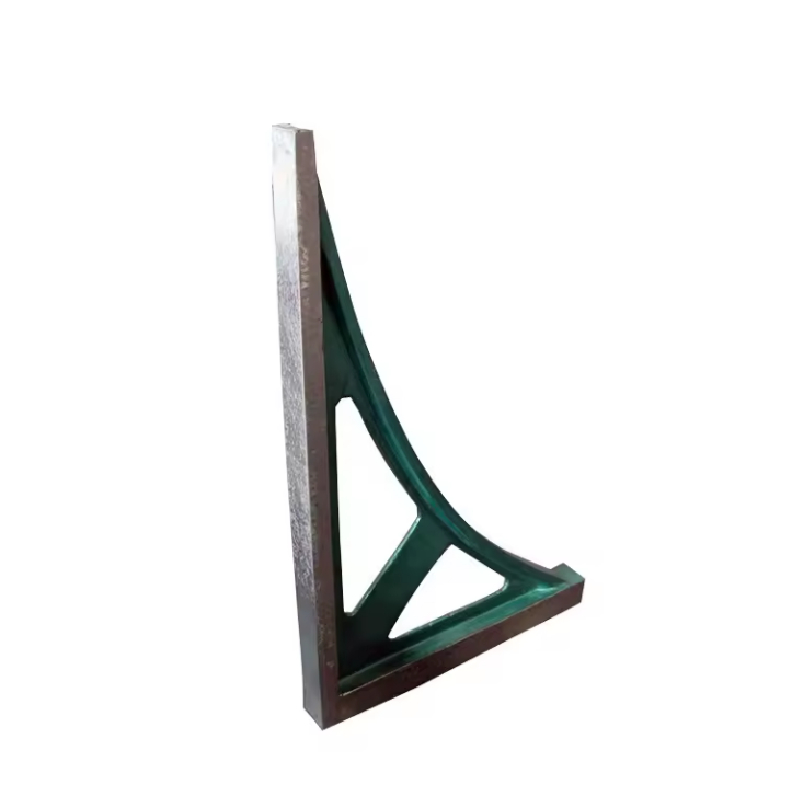
Vee Blocks Available for Purchase at Competitive Prices
Exploring Vee Blocks for Sale A Comprehensive Guide In recent years, the construction and logistics
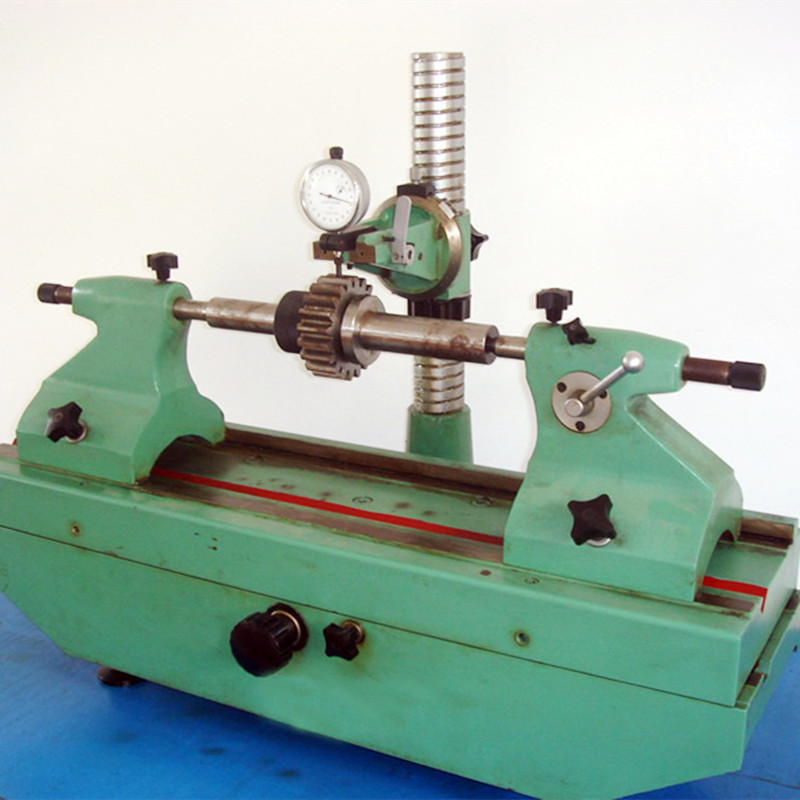
Water Control Valve for Efficient Shut-Off in Plumbing Systems
Understanding Water Shut Off Valves Importance and Functionality Water shut off valves are critical
 English